

01
Complaint or Response
Every matter begins on paper. We draft the complaint that opens the case, or the answer that defends against one already filed.
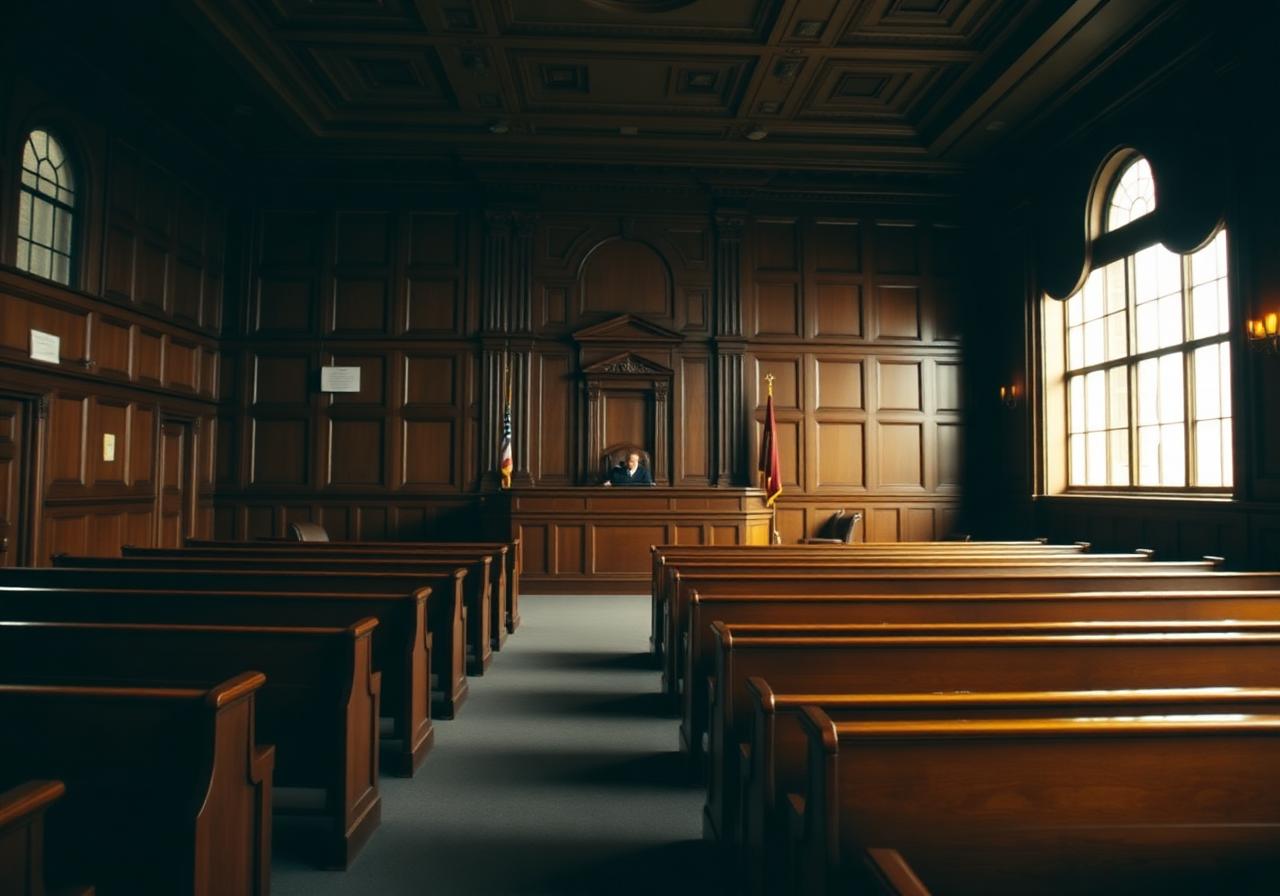
When a suit is filed, the matter ends up here — or in another court. Decades of personal courtroom experience, from the first pleading through trial.

Most disputes ultimately end up here or in another court once a suit is filed. With residential real estate purchase and sale disputes, however, there is often a contractual requirement of private arbitration in lieu of court — and only after a required prior mediation has proven unsuccessful.
Where litigation is the path, the work proceeds in stages: pleadings, status conferences, discovery, possible pre-trial motions, court-ordered mediation, and — if the matter does not resolve — trial.
Litigation moves in deliberate steps. Each stage is handled personally — there are no associates to whom files are passed.
Every matter begins on paper. We draft the complaint that opens the case, or the answer that defends against one already filed.
We attend the case management and status conferences the court requires, keeping the matter on track and on the calendar.

Interrogatories, document demands, requests for admission, and depositions — the disciplined work of building the record before trial.

Where appropriate, we bring or oppose pre-trial motions to narrow issues, exclude evidence, or resolve the case on the law alone.

Most civil matters are referred to mediation before trial. We prepare the briefing and represent the client through the session.

If the matter does not resolve, it proceeds to trial — bench or jury, with the witness preparation and case presentation that requires.
Most residential real estate purchase and sale agreements require the parties to attempt mediation before any other process. Where mediation does not produce a resolution, the same agreements typically require private arbitration — not litigation — as the binding next step.
We honor those contractual terms, prepare the matter for mediation, and proceed to arbitration where required. Court remains the forum where no such clause governs, or where the dispute falls outside it.
The default approach for most matters. Time is recorded and billed in clear increments, with regular statements so the client always knows where the matter stands.
Where a matter divides cleanly into stages, representation can be broken into segments with a fixed charge for each — making the cost of each phase predictable from the outset.
Whether you have been served, are considering filing, or have been ordered to mediation — every inquiry reaches Robert directly.
If you have been served, note the response deadline on the summons. Time limits in litigation are strict.